Library Confessions: I’m a terrible book talker

I’ve been feeling a bit ‘meh’ about some things lately, and perhaps putting some library confessions out there might at least make me feel more honest about where I feel I am professionally and what I’m doing to improve myself. With blogging, it’s easy to post only the good things and make it look like you’re a library rock star, but the honest truth is that we all have things that we struggle with professionally. It’s what we do about them that really defines us.

I’ve always felt that one of my shortcomings as a librarian is book talking. I know some teachers and other librarians who are book talking geniuses. I am not one of those people. Back in my elementary days, I could throw down a mean story time. And I feel like I’m great at connecting students with books on a one on one basis. That may be one of the roots of my book talking failures — I prefer to get to know students and their preferences, then recommend books I know they will enjoy. I usually establish those relationships so well that I don’t really have to ‘sell’ the books, I just hand them over and ask students to report back. So over the years, “Here — you’ll like this one,” is kind of the direction where my book talking skills have gone. There’s definitely not much of an art to that — so I’m working on it.

As with most things that I do, I require thought time and preparation to be anywhere decent in my execution of book talks. I don’t think I’ll ever be one of those amazing-on-the-spot-book-talk-givers. With all of my middle school and freshmen library orientation/book check-out visits this year, I did a hand full of book talks as well. I went through and pulled a selection of books that I know and love, then I wrote little blurbs on sticky notes to put on the back to use as a guide when I book talked. Of course, I kept all of the stickies, because that was a lot of work!
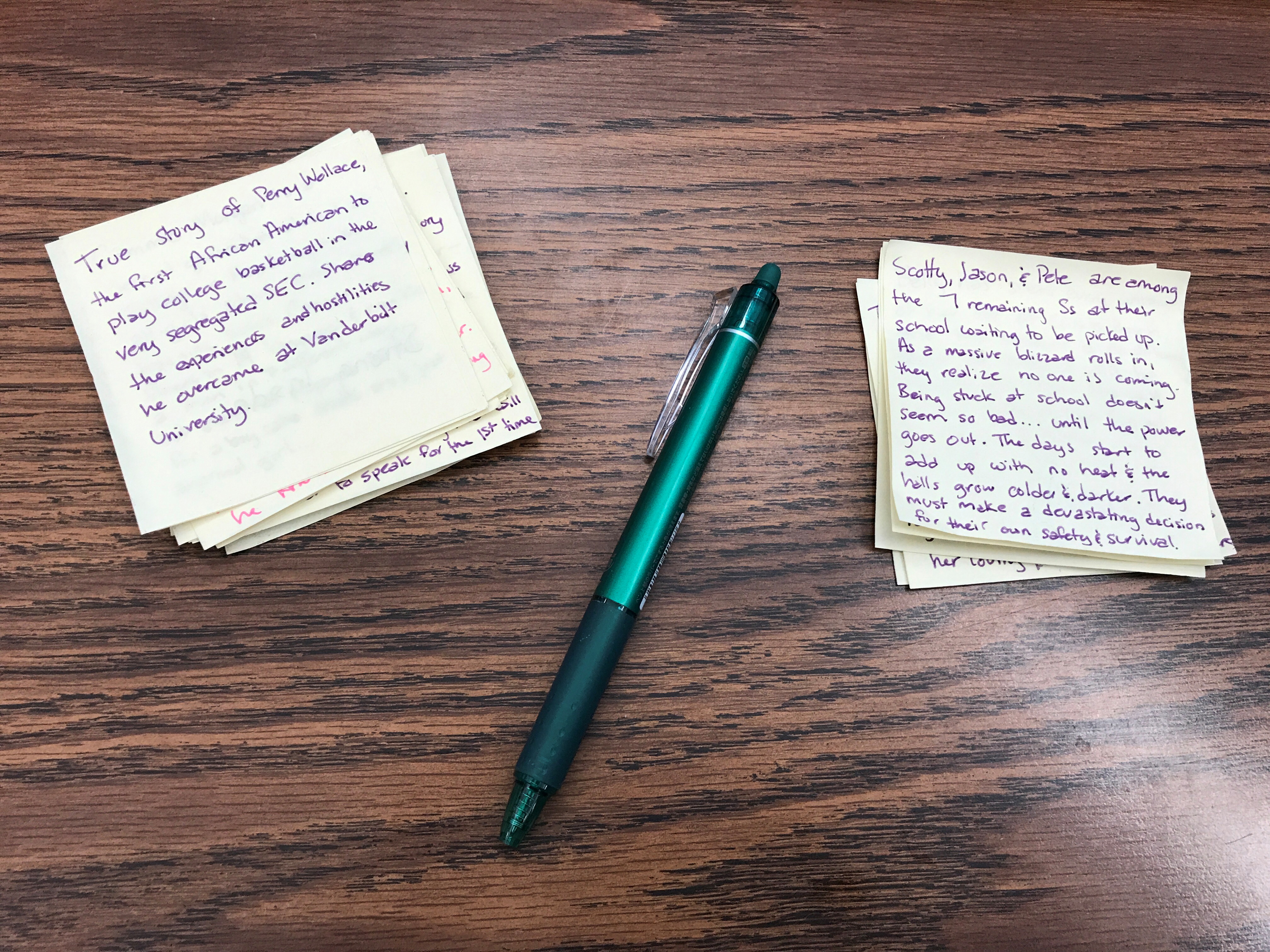
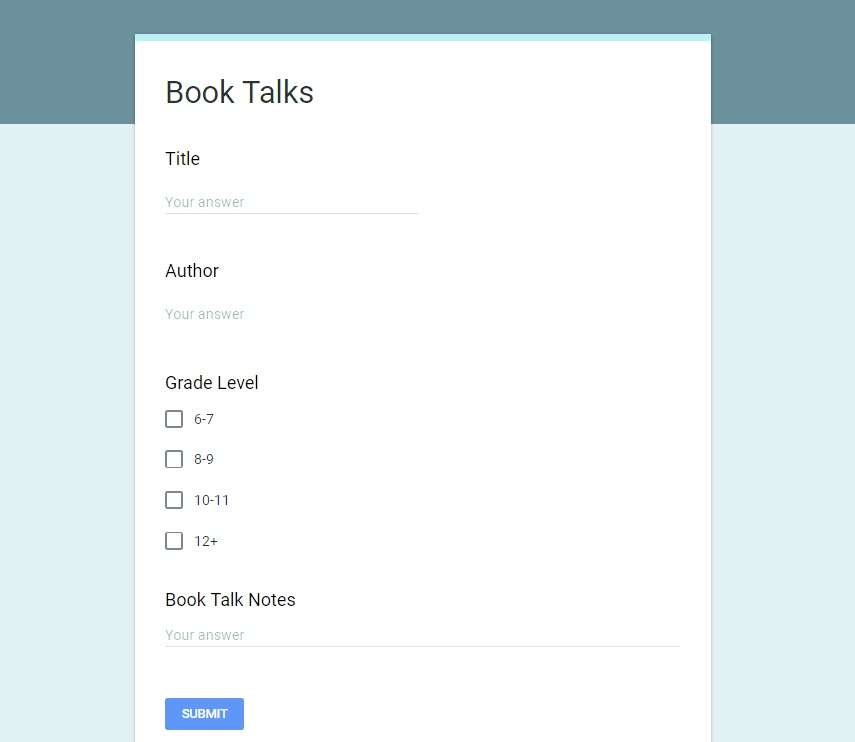
After two weeks of this, I realized handwritten sticky notes probably weren’t the best long term solution for keeping track of my book talk notes. I’ve since made a Google Form where I’m inputting my notes so I can reprint them on sticky notes and reuse them in the future.
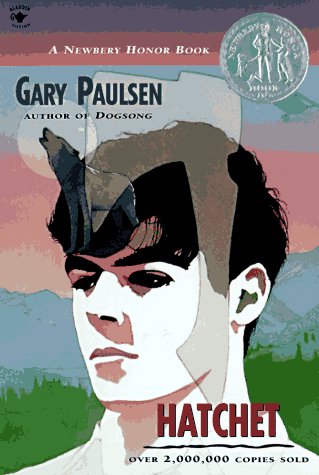
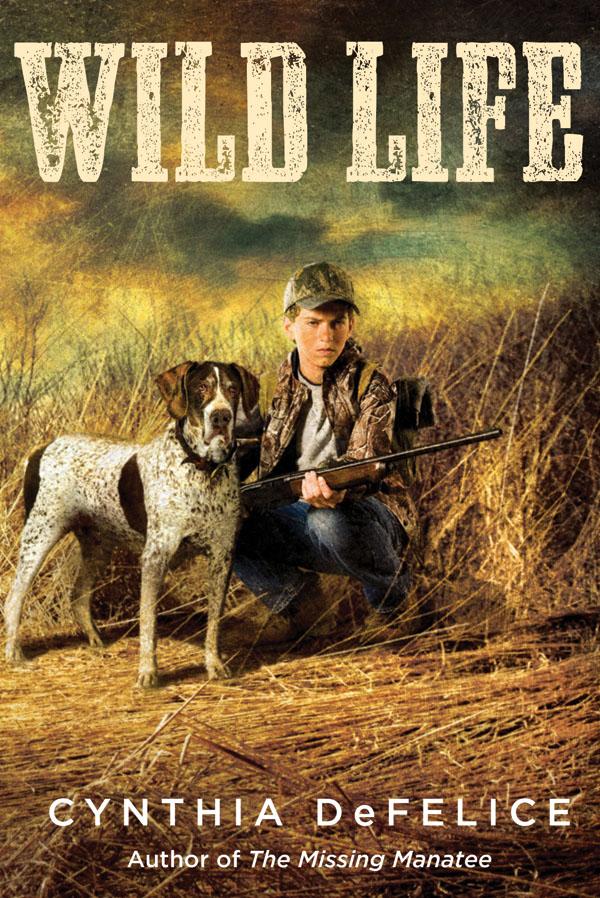
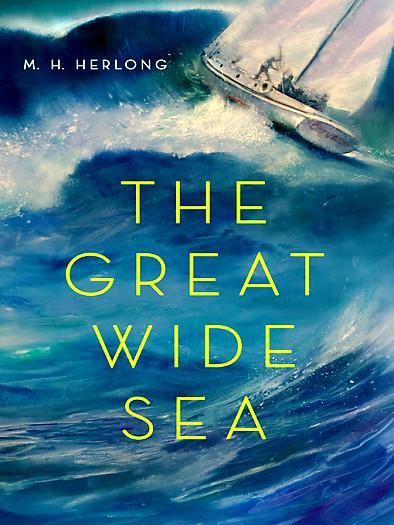
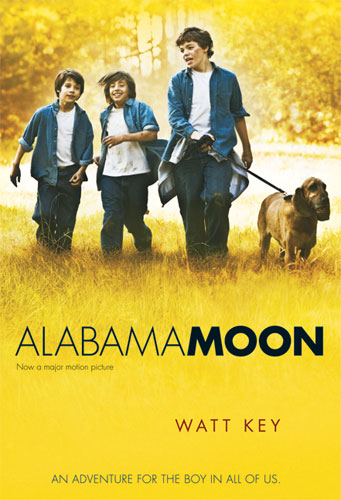
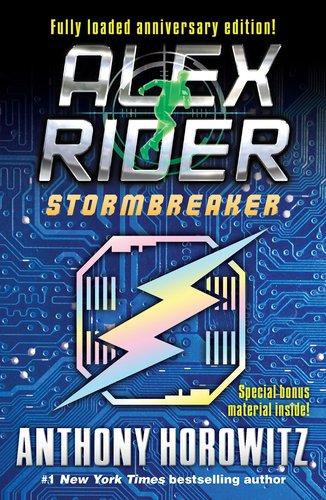
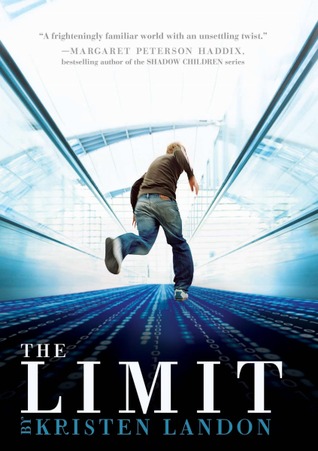
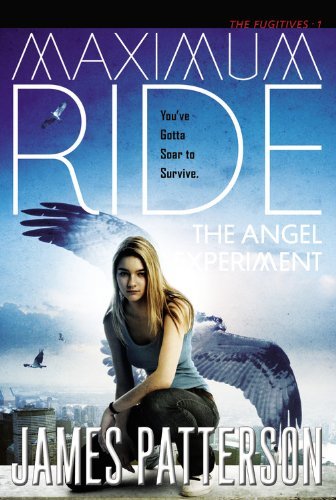
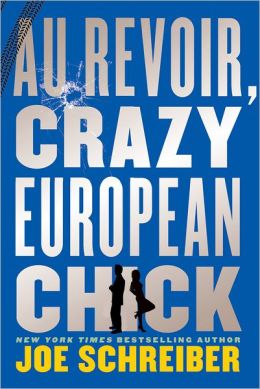
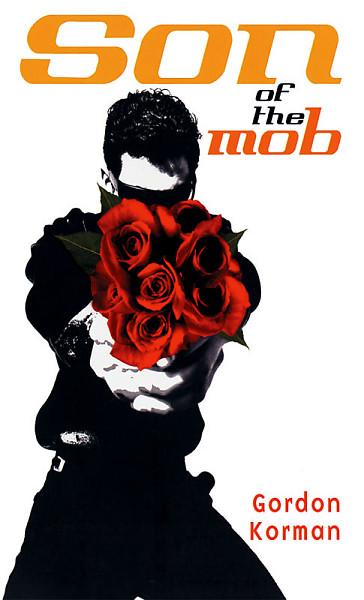
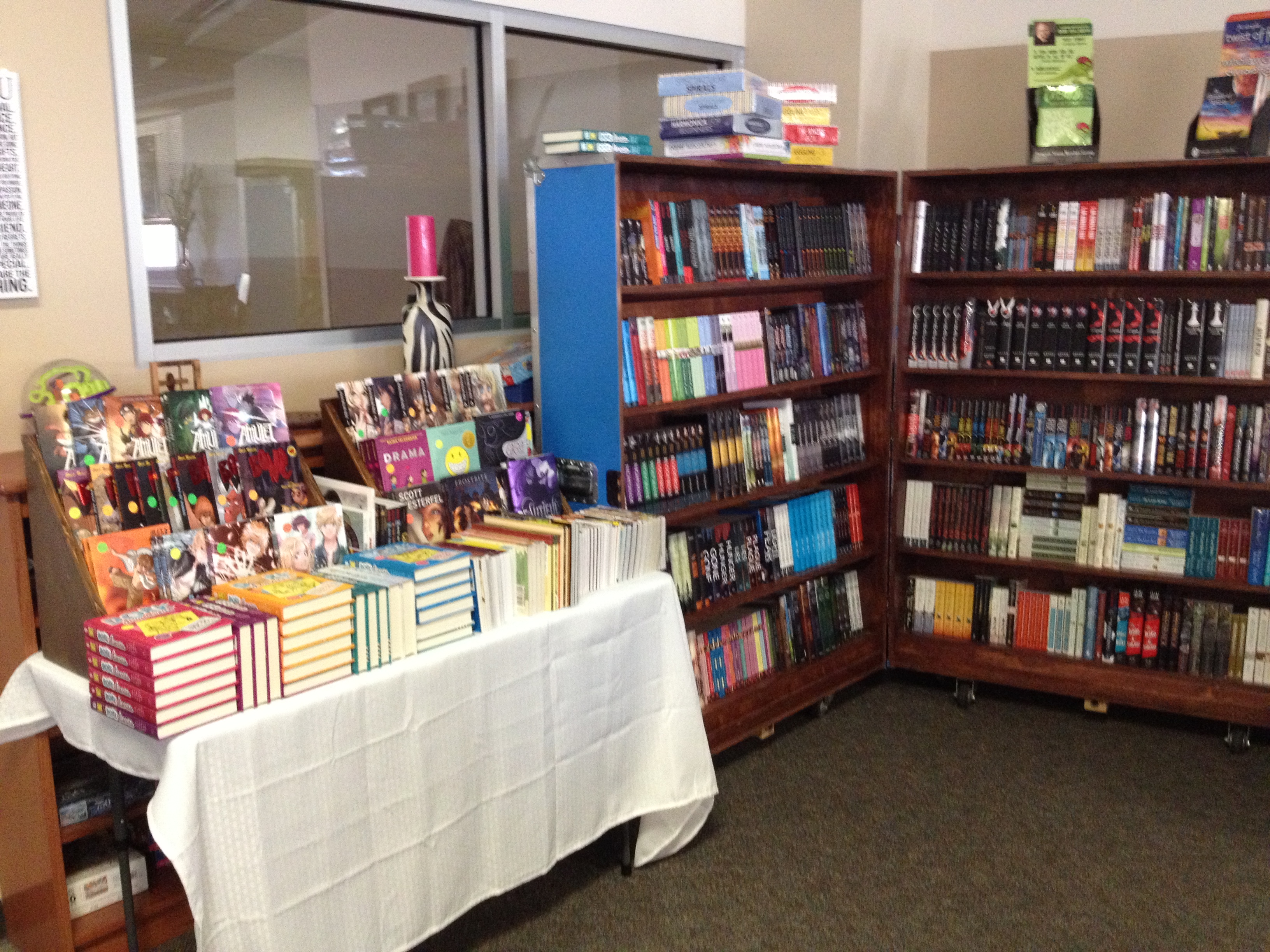
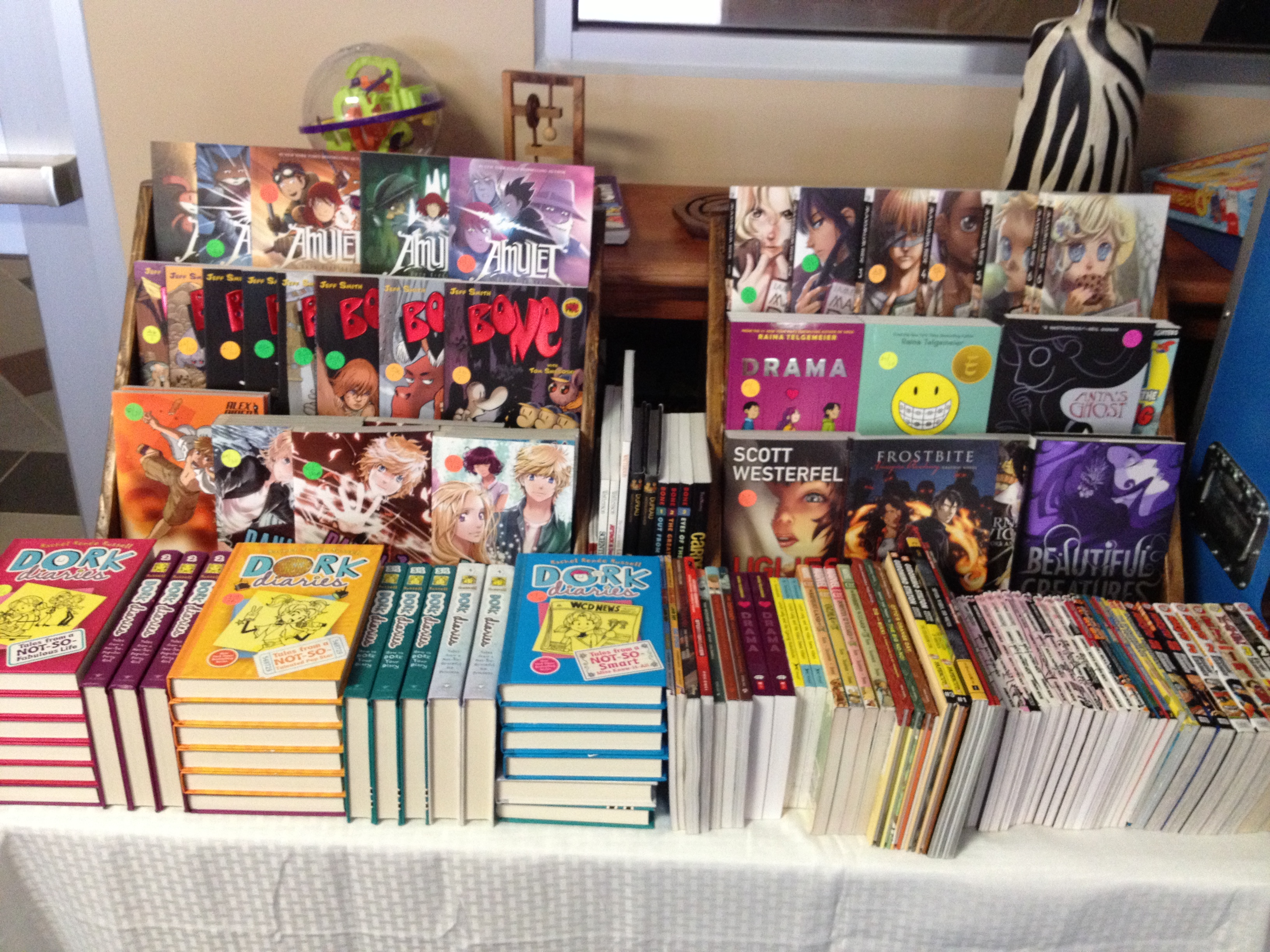
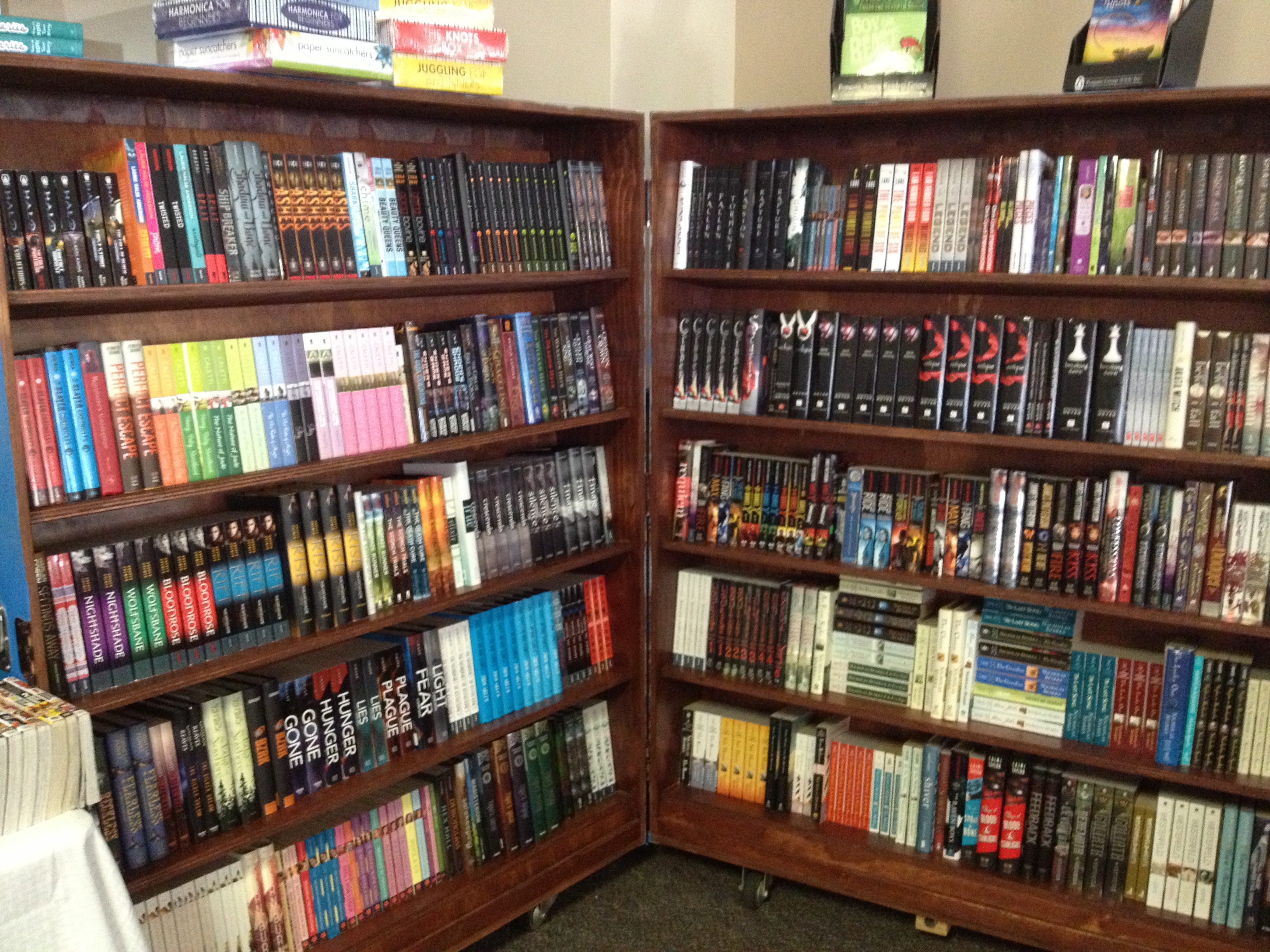
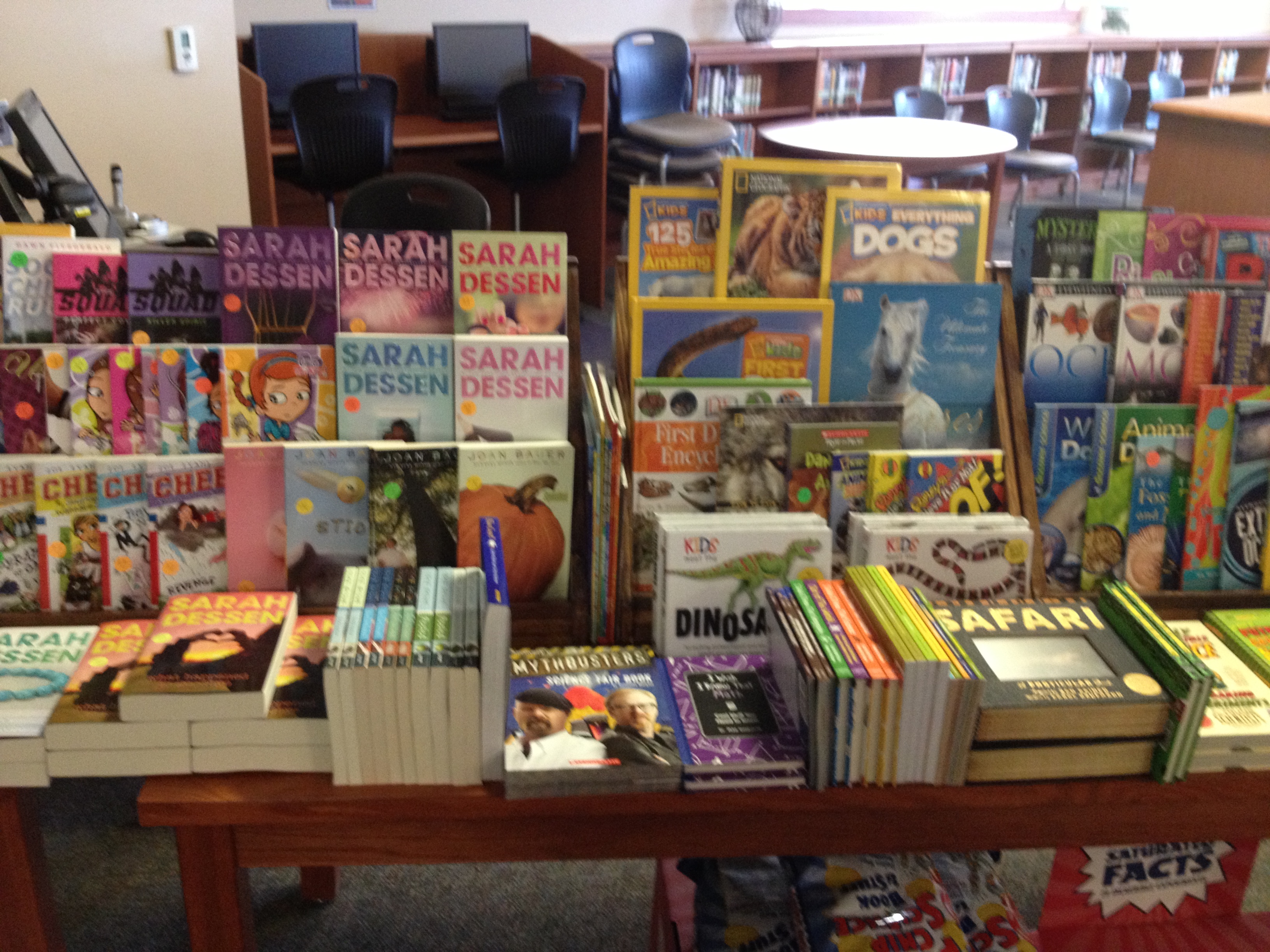
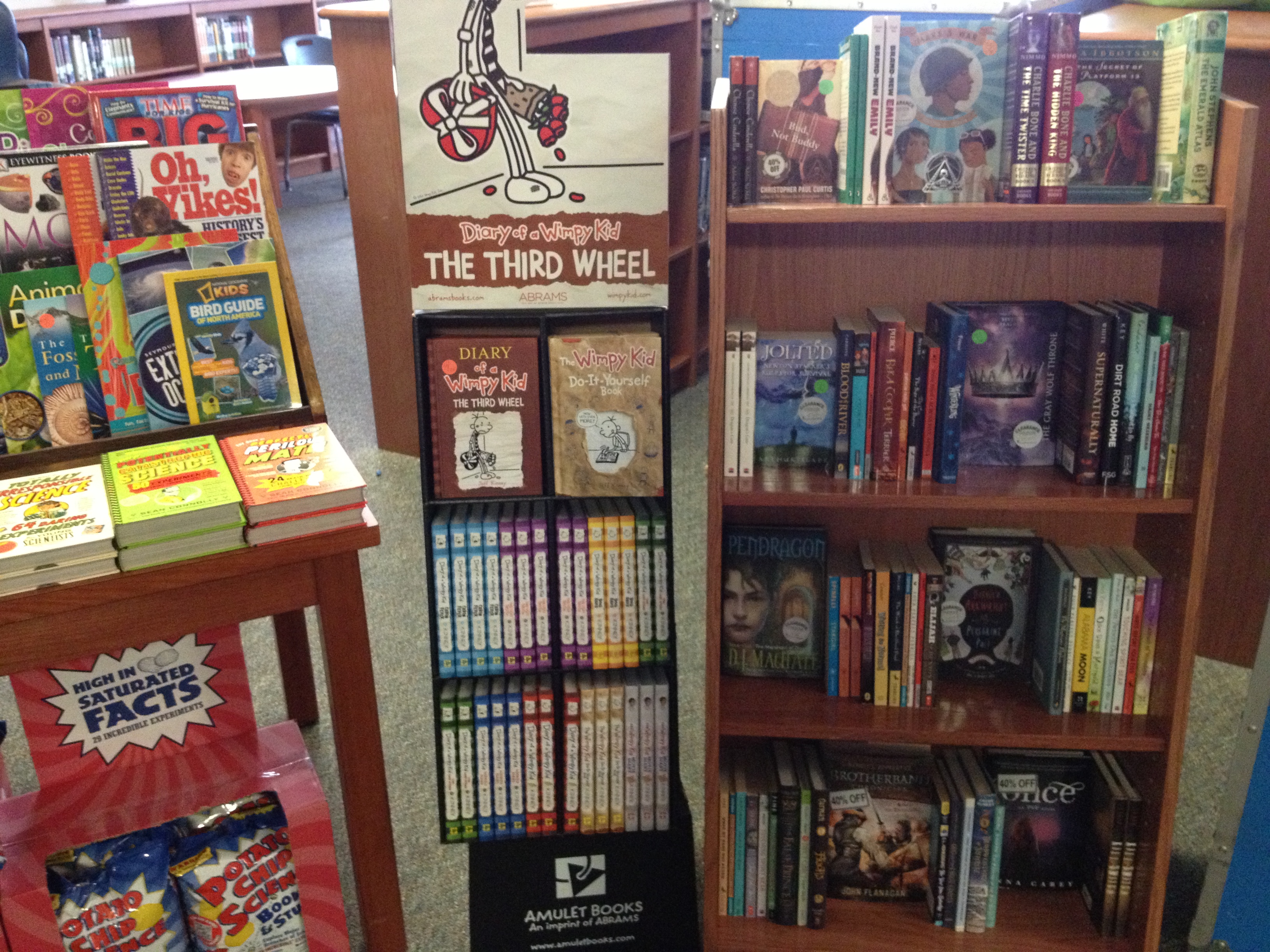
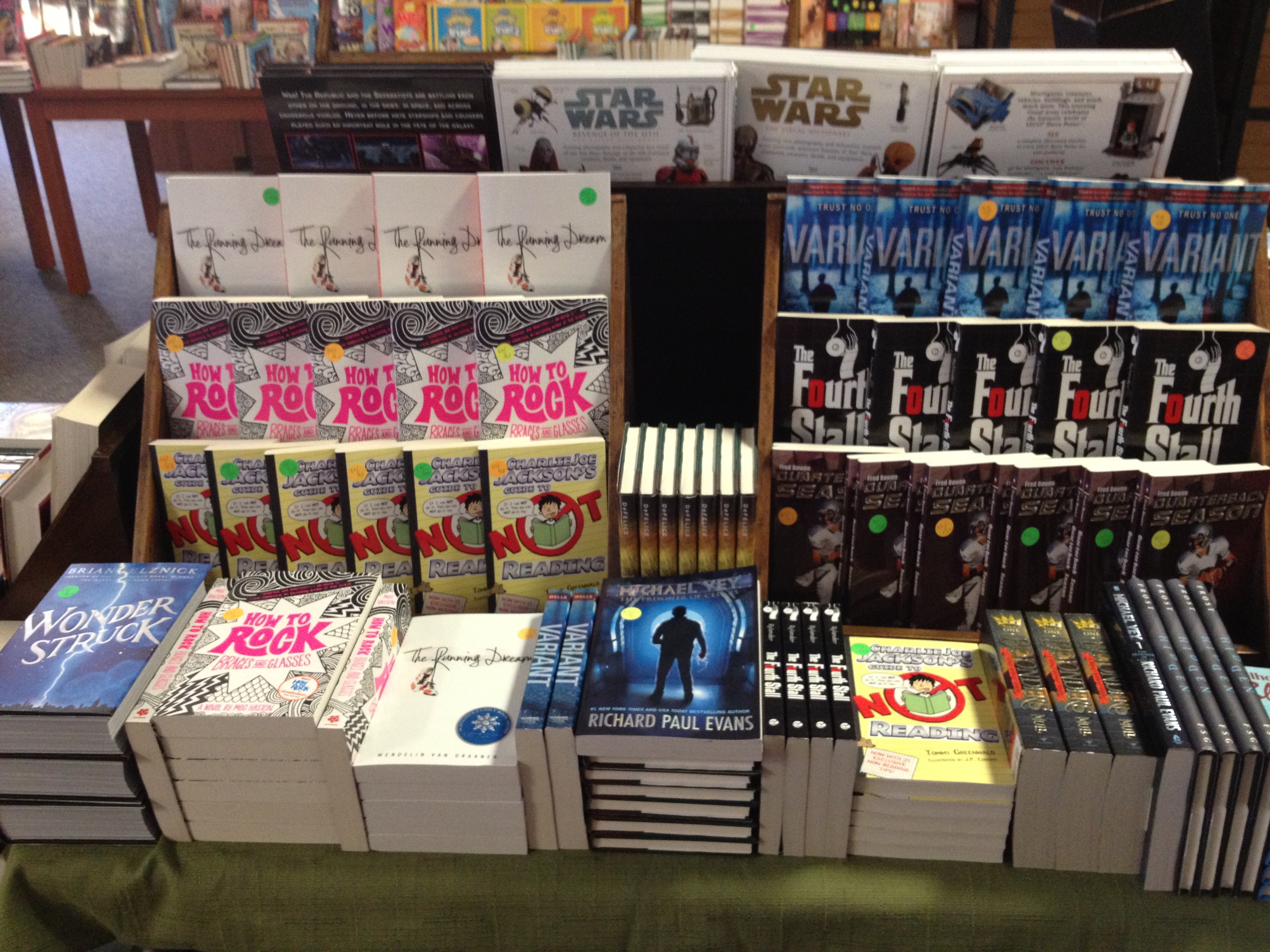
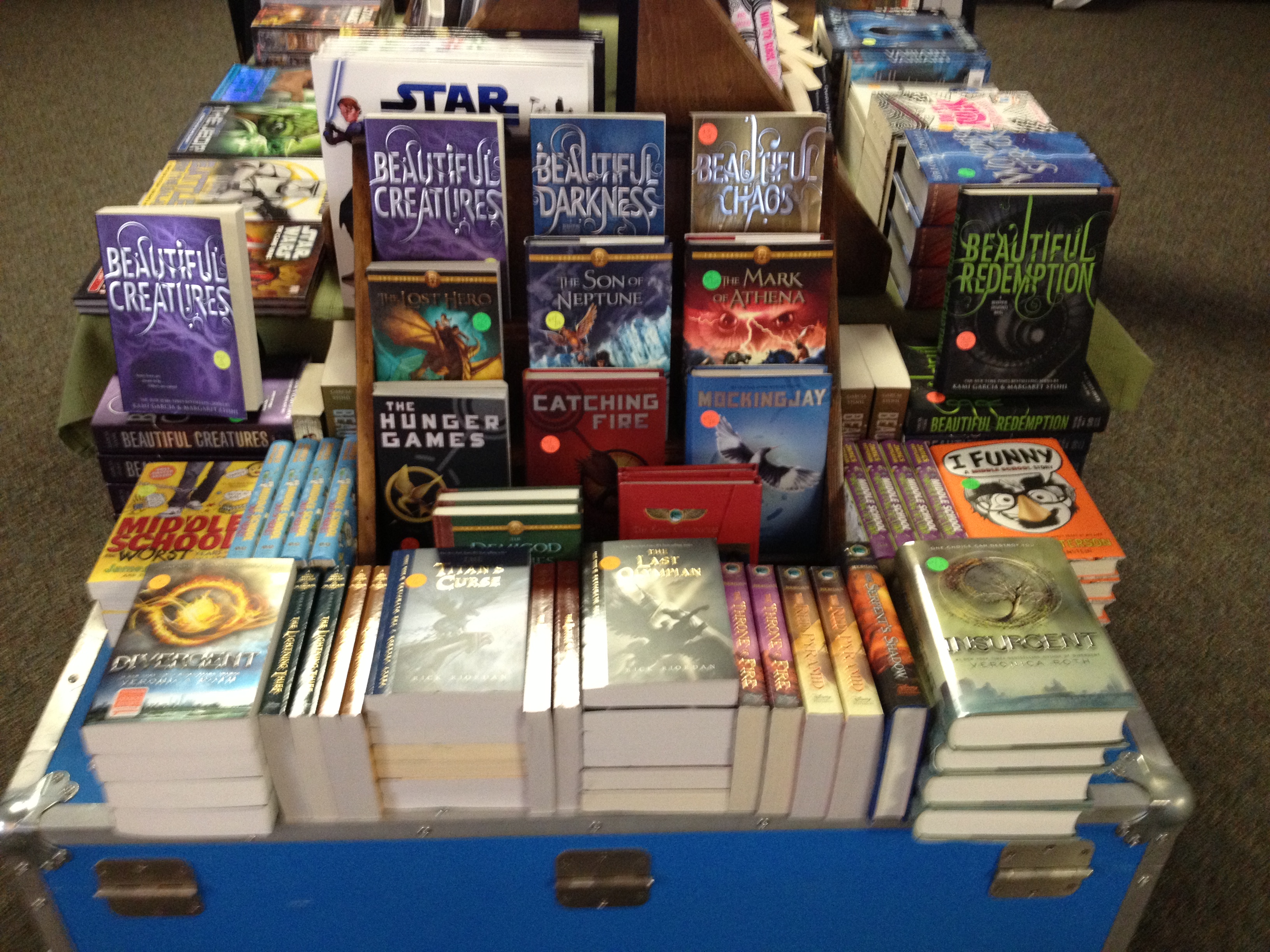
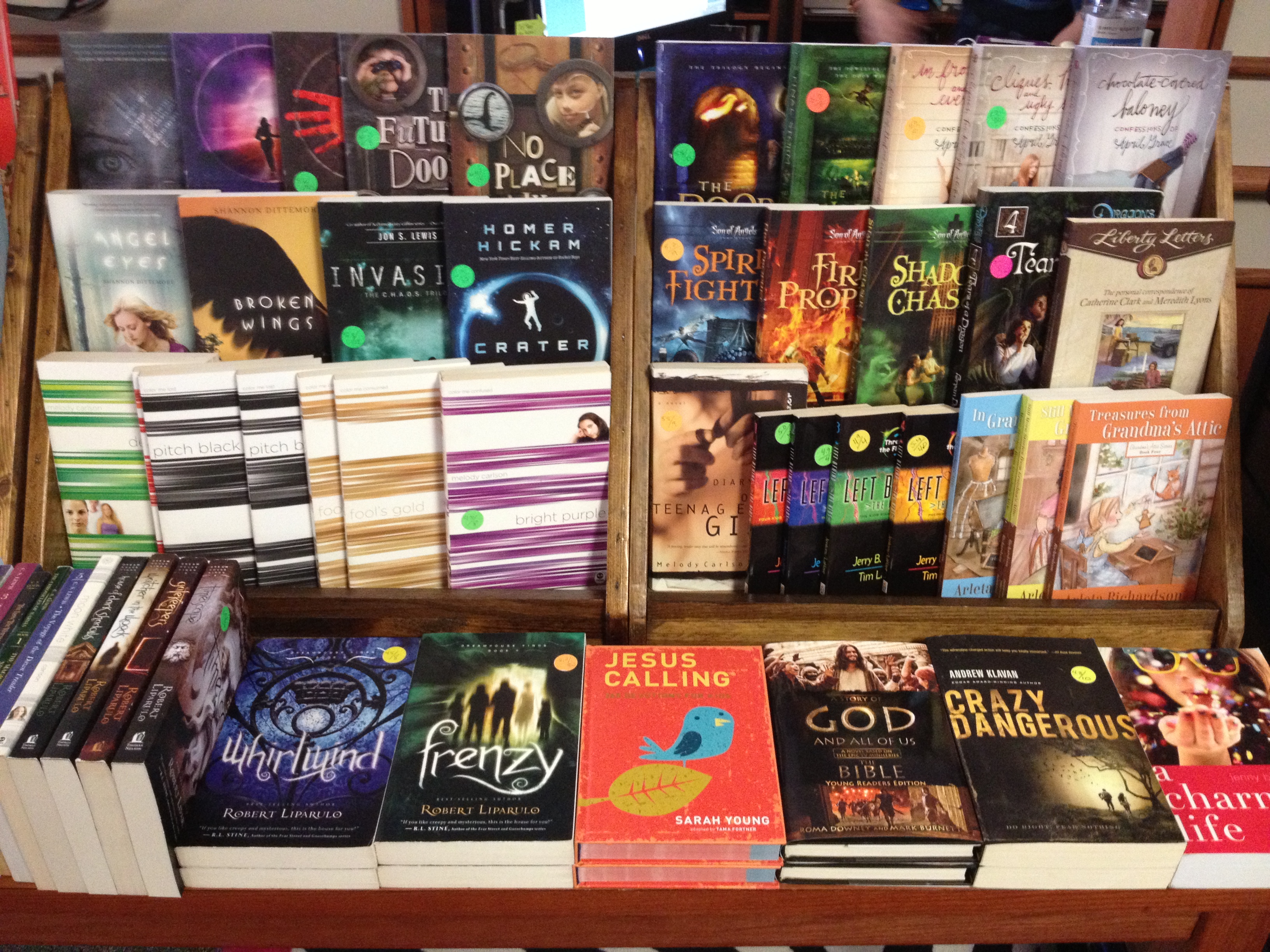
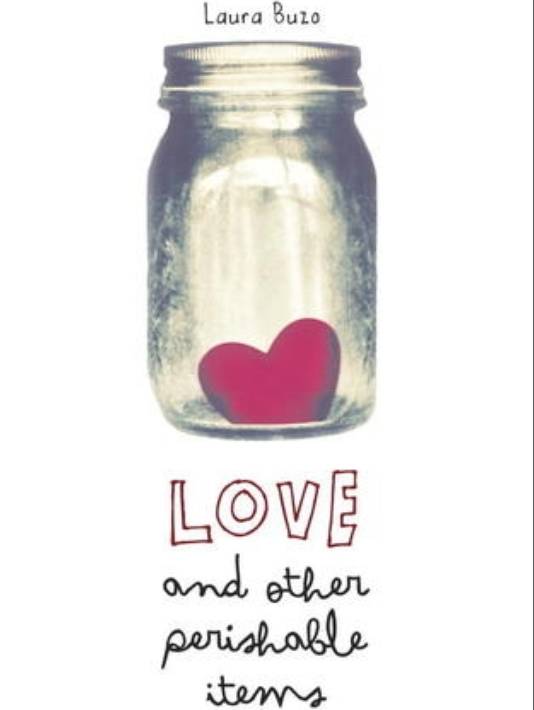
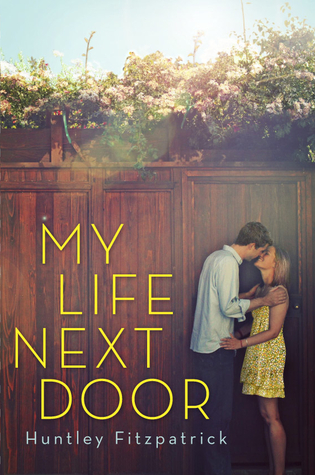
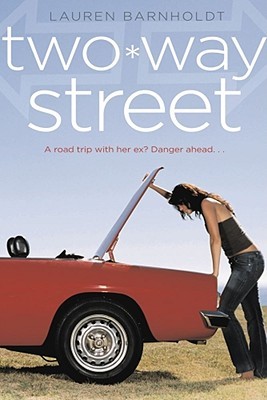
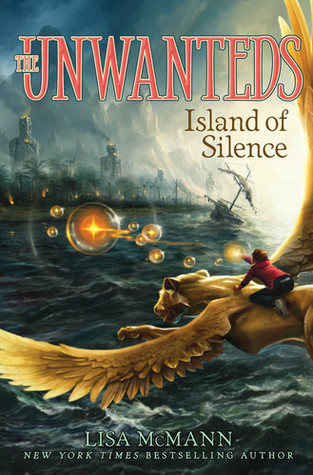
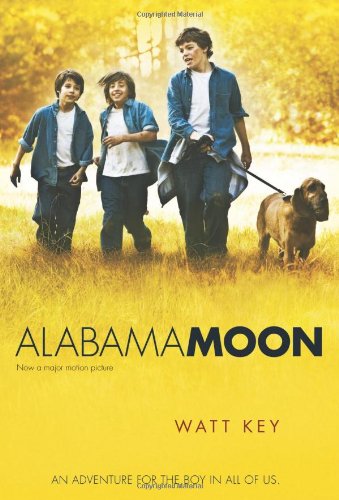
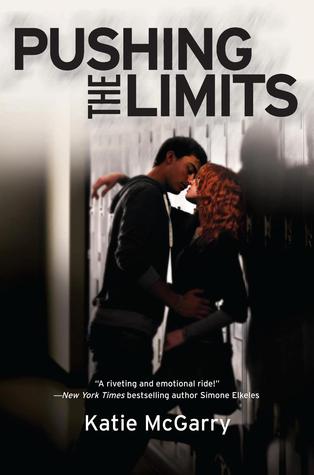
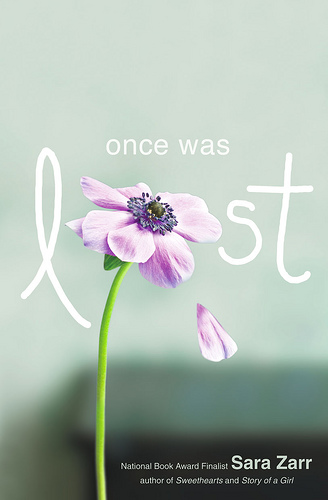
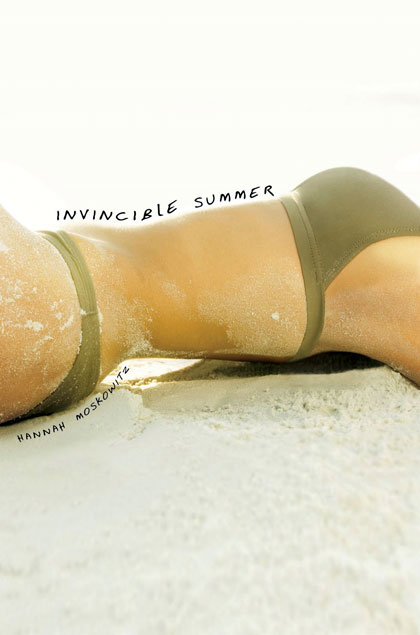
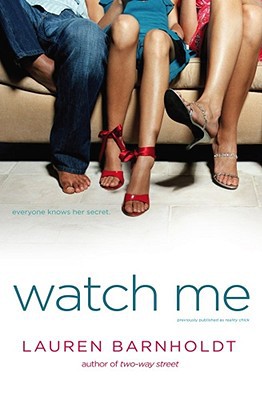
And just for fun, here are some of the books I find myself recommending most often to students:
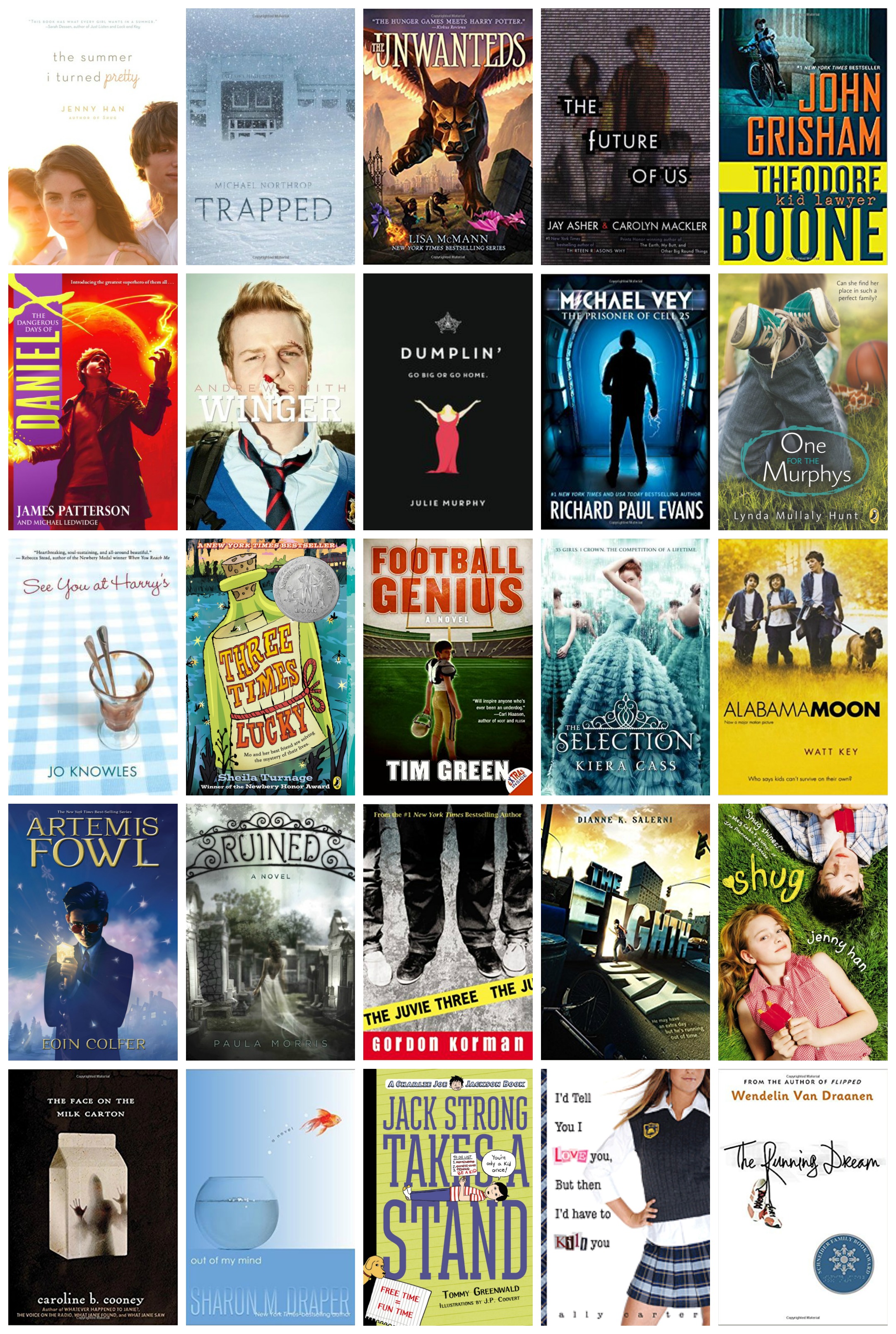
Do you have any advice to improve book talking skills? Or favorite books that are checked out every time you share them with students?
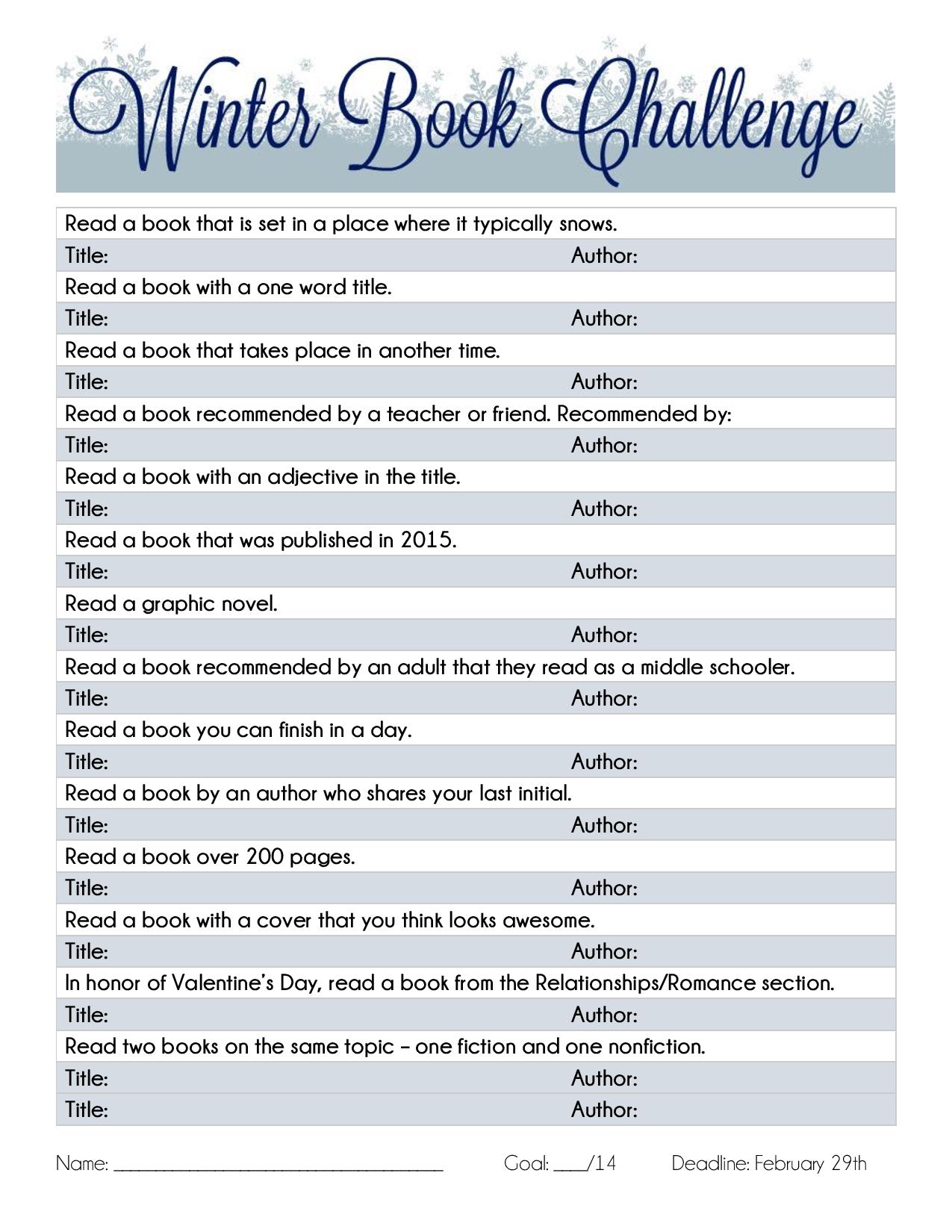
Winter Book Challenge

I have hosted and blogged about a number of book challenges in the past (like the January/February Book Challenge and Spring Book Challenge). It’s been a while since I’ve hosted a book challenge, and I know it’s a great way to kick off a new year! I love a book challenge because it pushes my students to read outside their comfort zones and try some books that they typically wouldn’t pick up.

I’m still working through a “prize” (I really don’t like doing prizes because I would rather my students be intrinsically motivated…but I know prizes are nice, too). We will probably have a drawing of some type for students who participate and turn in their forms by the deadline.

Feel free to use this Winter Book Challenge as your own! I’ve uploaded it to Google Drive, so you can download a copy for yourself and make any edits on your own document.

WinterBookChallenge-page-001

Happy New Year!

Interacting with Nonfiction Text

A few weeks ago, in anticipation of my 7th grade library visits, I asked the teachers what a good topic of focus would be for an activity. They said they were working on nonfiction text. In my searching for lesson ideas, I came across a post called Non-Fiction Know-It-Alls on the Create Teach Share blog.

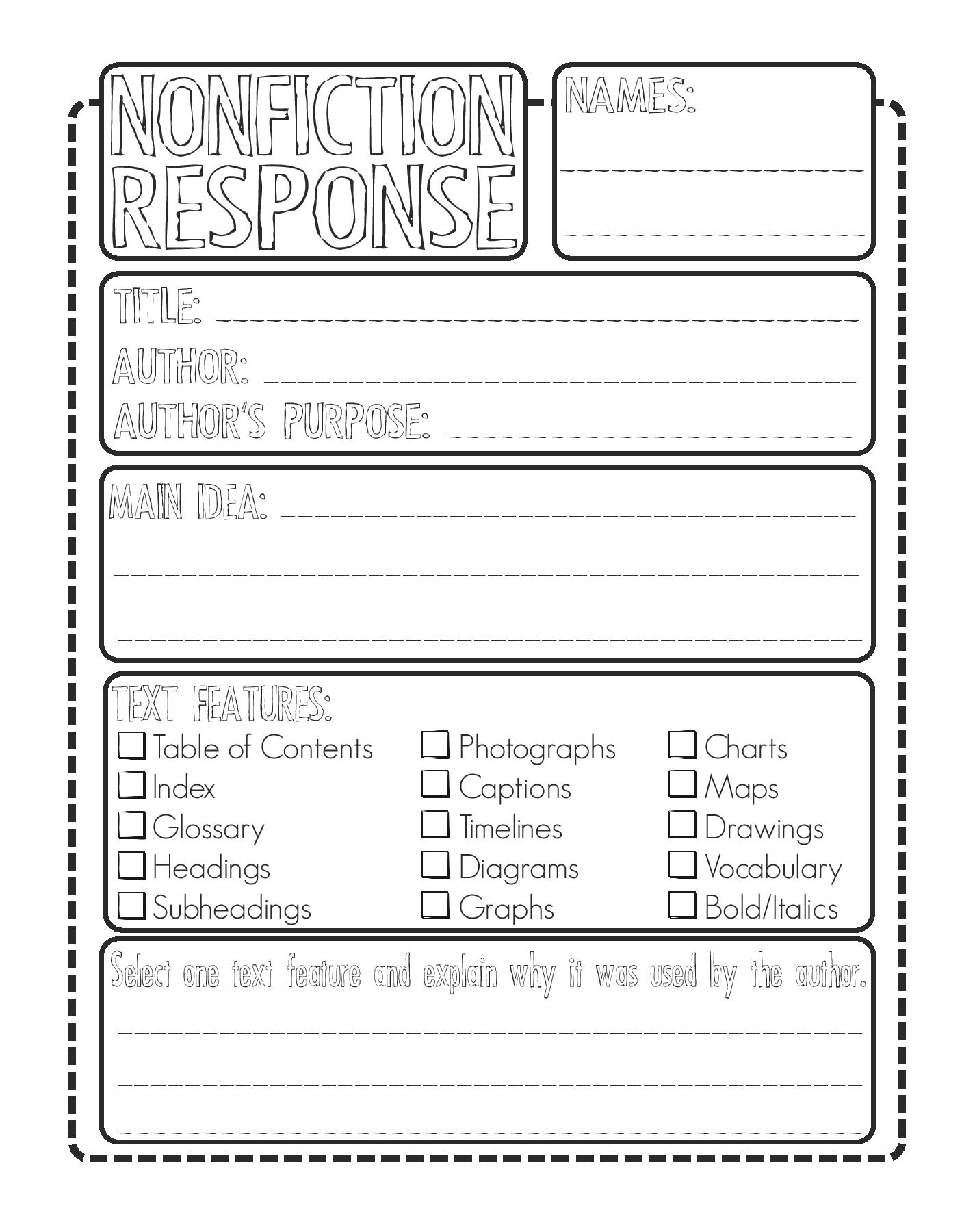
One of these printables was very close to what I was looking for, but not quite. I wanted to have students work in pairs and give them a variety of our nonfiction library books to choose from. They selected a book and completed this Nonfiction Response:

NonfictionResponse-page-001

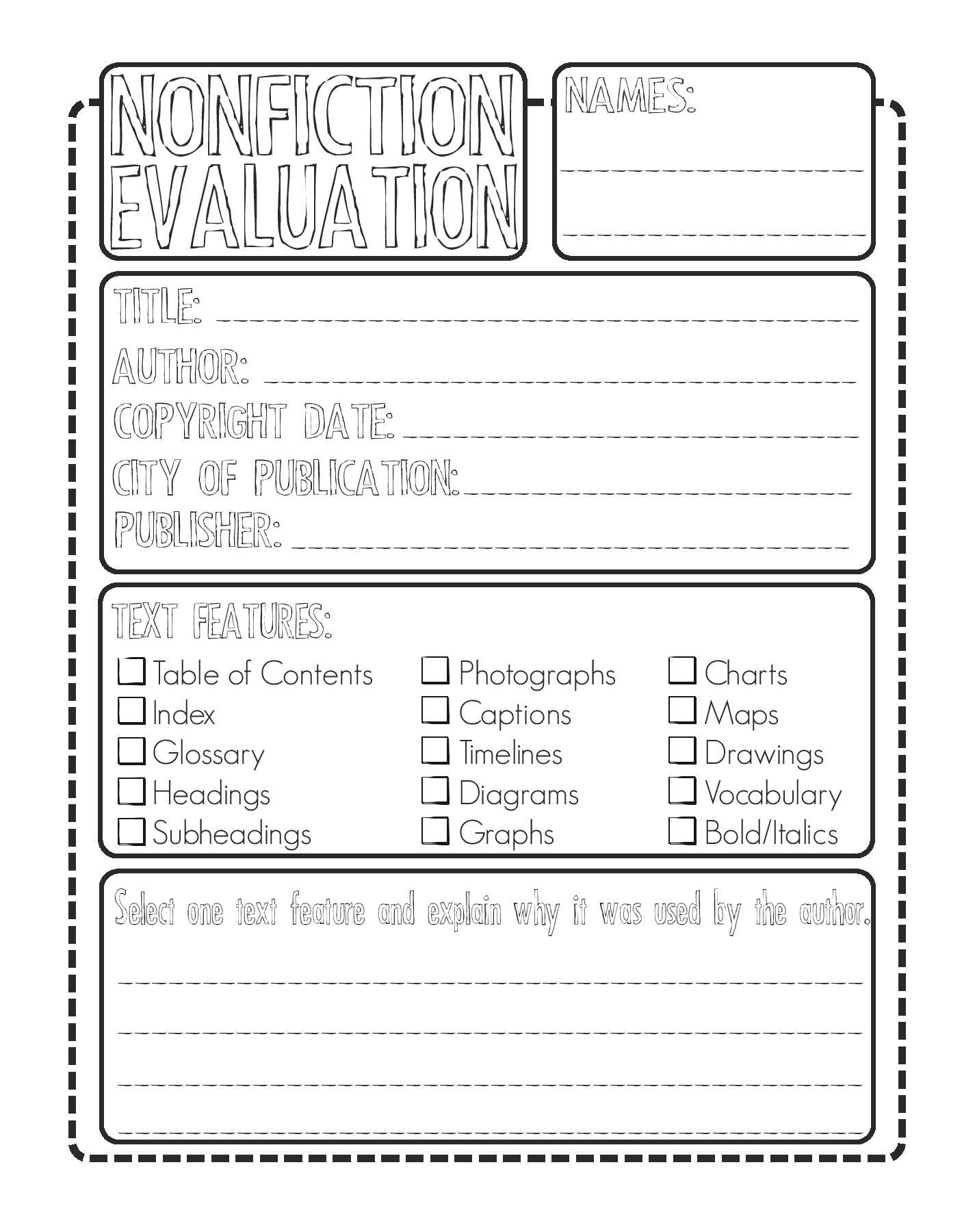
My 6th graders are about to start working on a research project, and I purchased several ebooks on MackinVIA that they will be able to use as references. I wanted the students to have a chance to get familiar with MackinVIA, identify key components that will be used in citing their sources, and also notice the text features and how they help us interpret nonfiction text. I revamped the document again for them:

NonfictionEvaluation copy-page-001

Both of these activities have been successful. I think taking the time to identify and discuss the text features in nonfiction has been valuable. And I’m really excited to kick off this research project with 6th grade ELA and Social Studies!

PDF of Nonfiction Response

PDF of Nonfiction Evaluation

Collection Development

Since we’ve been back to school this year, I’ve spent a considerable amount of time assessing our collection and planning for improvements this school year. At the end of last year, I ran some reports and compiled some data that kind of surprised me. I would never say that using and leveraging data is a strength of mine; I work more in terms of if things “feel right.” We all know that administrators speak and listen in terms of data — and mine is no exception.

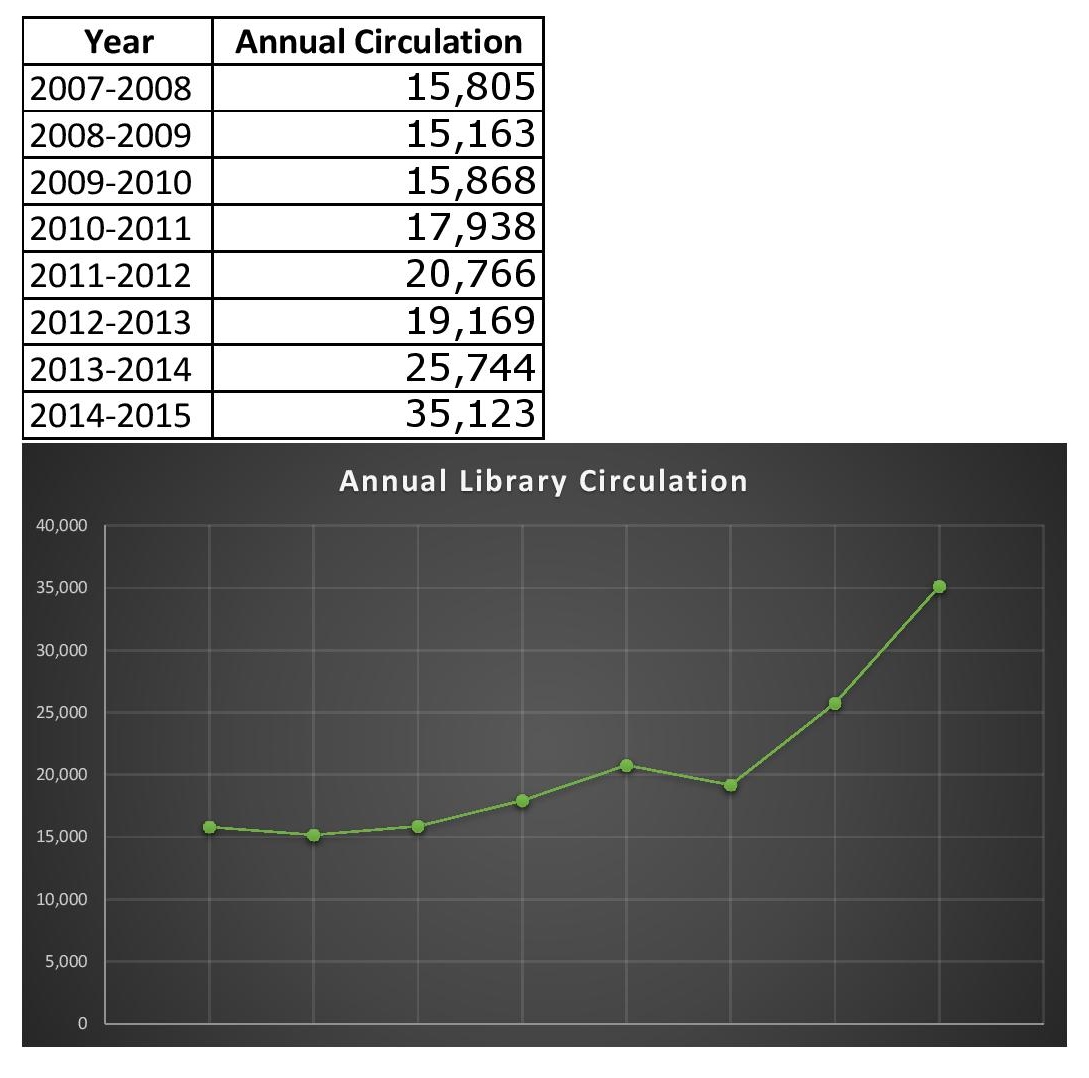
AnnualCirculation

When I looked at annual circulation reports at the end of last year, it was obvious that our circulation has risen dramatically over the last several years. The year with the “dip” was the year of our move from one campus to another, so that was a year of major transition and I understand that trend in the data fully. I attribute a great deal of our circulation increase to both genrefication and implementing our self check-out procedure.

Right before our move, I finished the process of ditching Dewey. That process included EXTENSIVE weeding of our collection. Since then, I really hadn’t done much weeding. When books were returned at the end of last year, I noticed that our collection was starting to look a little sad. These books are circulation often and being read by many students. After the first rounds of library visits and book check-out this year, the shelves were just looking sad. Our students are readers, as evidenced by our circulation numbers. I also knew that quite a few of the books left on the shelves hadn’t moved since we did back in 2012. Once again, it was time to weed.

I let my principal know that our collection would be needing some funding to help bring it up to a higher standard. He knows that circulation is up — he’s seen the data shown above — but he wanted a more formal assessment of our collection and a plan for moving forward.

First I weeded. And weeded. And weeded. Nonfiction — easy. Fiction — a little more painful and personal. If a book hadn’t circulated in over three years (unless I knew it had potential tie in to curriculum, special interest, etc.), was in poor condition, or had otherwise outdated information, it was out. I weeded just over 1,000 books, bringing our total collection copy count to 8,614 after weeding. Our collection is very small compared to our student population (just at 1,000 students), but I don’t see the point in having books that aren’t being read.

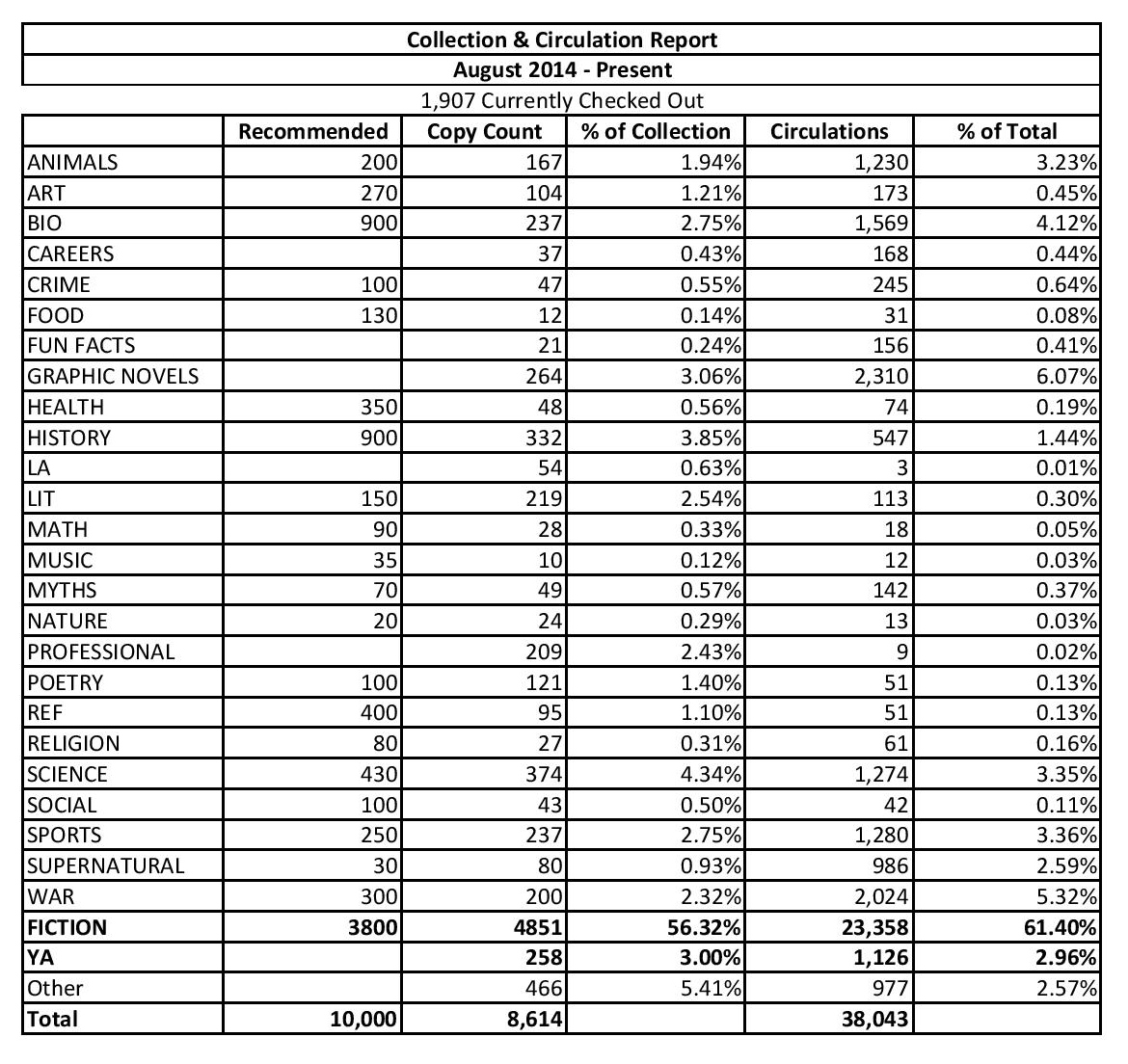
After the weeding was complete, I started to look at my numbers. I uploaded our collection info in Mackin for collection analysis. Since we don’t use Dewey, this gets a little iffy and the “recommended” numbers don’t necessarily match up to my categories. I took that analysis and made the “recommended” column to the best of my ability. The other columns show what we have — copy count for each category, percent of circulation, circulation numbers, and the that category makes up of total circulations. I was able to gather this information from a Collection Circulation Report (Summary Only) and a Collection Statistics Summary Report in Destiny.

CirculationStatistics2015

Then, I looked more closely at the sections that had a higher percent of circulation than the percent it made up of the collection. These are the sections that would be the main focus for new purchases. I looked at the average of what I usually spend on nonfiction and fiction books when ordering. I also based our need on having 10 books per student — which would bring our collection to 10,000. These numbers aren’t exact, but an estimate so I could have conversation with my principal about finding funds to help us improve our collection. CirculationStatistics2015-2

My principal was impressed with the data (speaking his language makes a difference) and we are working on finding funds to help us fill the gaps in our collection. I’ve been working on lists, building one for each category so I can look more closely at what is being spent on the different genre sections. I’m excited about the potential to grow and expand our collection this year!

Also, through the process of weeding and assessing the collections, I did a little re-arranging of genre category locations in the library. I moved some books to different genres. I reorganized some of the nonfiction sections and the graphic novels. And I finally decided to make a permanent Humor genre in fiction and pulled books from a number of categories to build it.

It’s been a busy start to the year, but a good one!

Battle of the Books

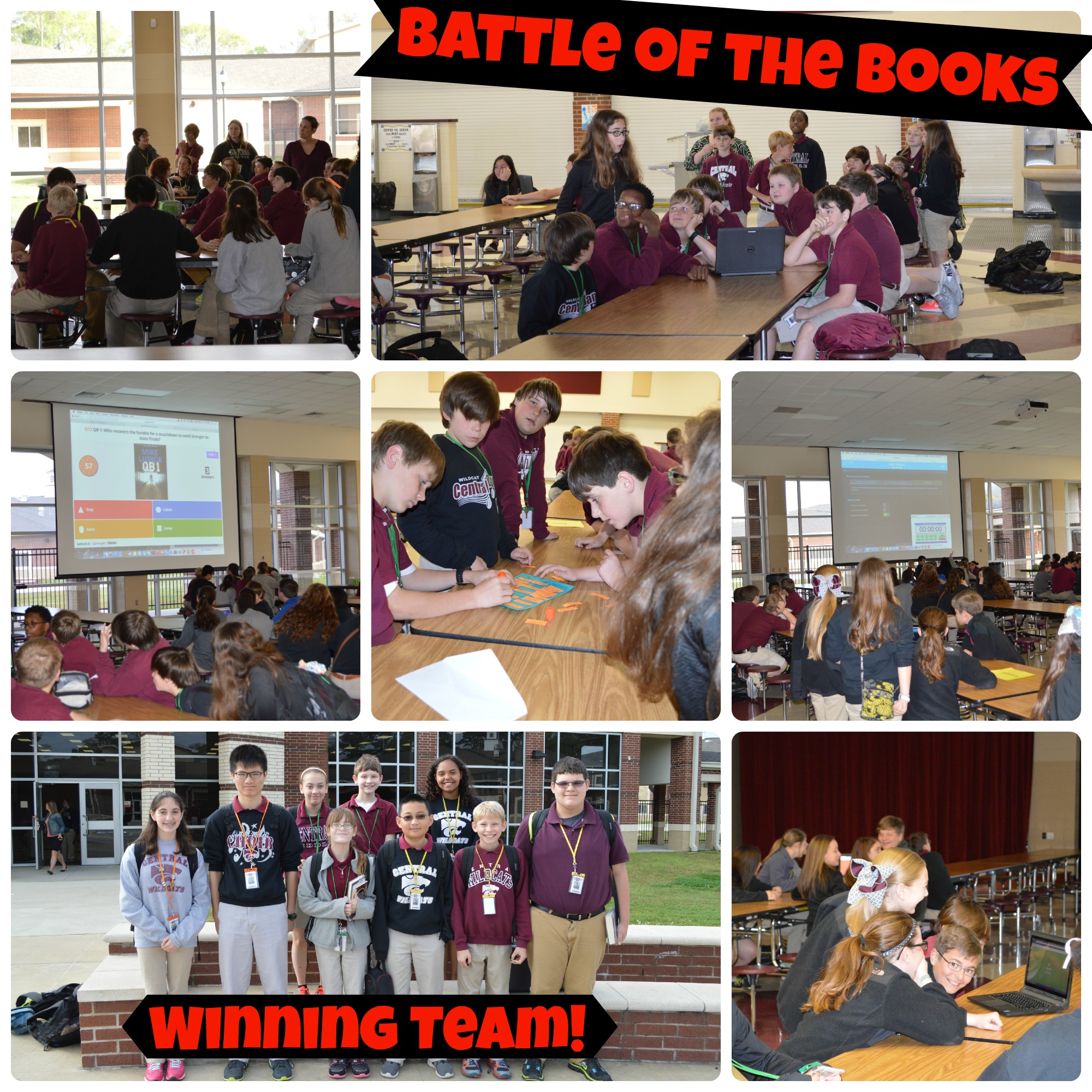
BattleoftheBooks1

Today we hosted the first Battle of the Books at CMS! I’m beyond pleased with the way the event turned out and know this is going to become a favorite tradition at our school. I have to give a HUGE shout out to Sherry Gick who has been talking about her Battle of the Books for years, which inspired me to bring this awesome idea to CMS. Sherry and Megan Scott gave an ISTE Librarians Network Webinar on the Battle of the Books, which I recommend watching if you’re considering hosting this at your school.

I started advertising for this event back in November. Students could get together teams of up to 10 students for the competition, then find a teacher to serve as their sponsor. I used funds from our book fair to purchase sets of the 10 titles for each team. A total of 13 teams signed up for the competition and they received their books in early December. Many of our team sponsors set up Schoology groups for their team members to discuss the books on the list. Students traded the books with team members to read. Some teams were very ambitious and tried to get as many students on their team to read as many books as possible — there were a number of students who read all 10 titles! Other teams assigned team members to be an expert on two or three titles. The winning team actually met after school several times to discuss the books and come up with their strategy…and clearly it paid off!

Teams received this list with information and guidelines about a month before the competition:

Each team was allowed one computer for responding to the Kahoot and Socrative questions. I told them up front that if any monitoring teachers saw them with other windows/tabs open OR they had any of the books in sight, they would be disqualified from that round. We didn’t have any problems.

BattleoftheBooks

Rounds 1 and 4 were Kahoot rounds — 20 multiple choice questions where speed and accuracy helped them earn points. Points were awarded based on final ranking after the round. The team in first place got 10 points, all the way on down to just one point. You can check out the Round 1 Kahoot here. The Kahoot rounds were so much fun and brought a lot of energy to the competition.

Rounds 2 and 5 were Socrative rounds — short answer questions with a 90 second time limit to answer. I had this set up with 20 questions for each round. After round two took FOREVER and the students got a little restless, I cut down the questions for round five to just 10 questions. We had some issues with groups getting kicked out of the Socrative room, so I’m not sure that this is what we would use next time. However, it was nice to be able to check the short answer questions after they were populated in the spreadsheet, so there was some benefit to using Socrative. These were my questions for Round 2:

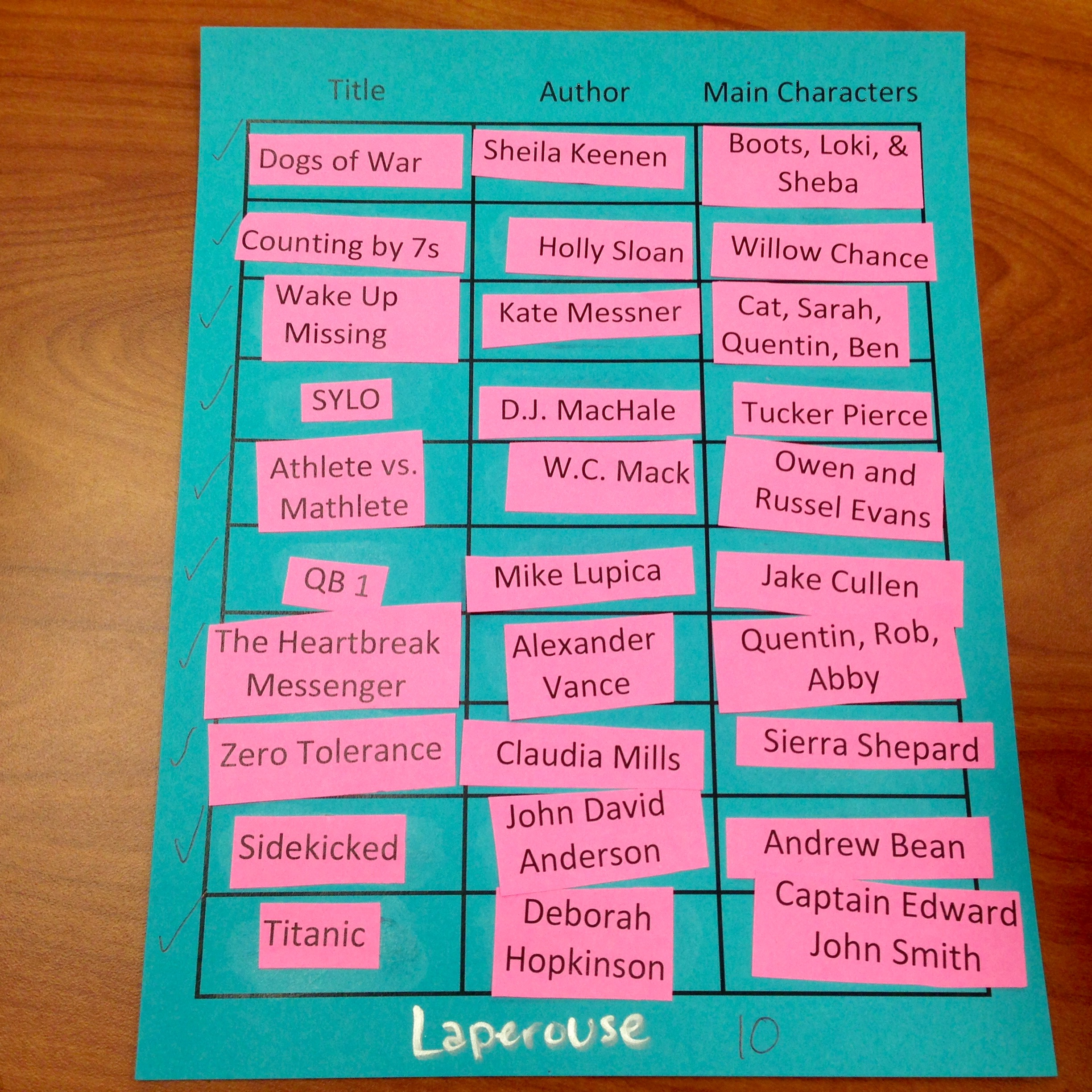
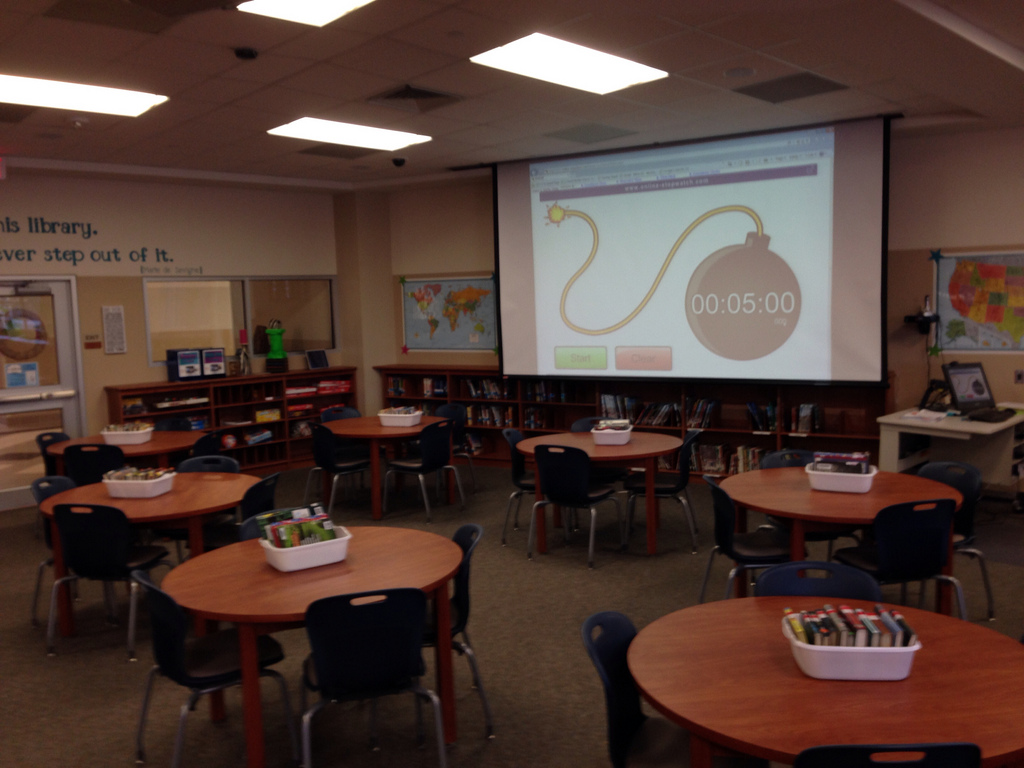
Round 3 was a puzzle. Teams had to match the title, author, and main character(s) from each of the 10 books in 5 minutes. We cut out each piece individually and put them in an envelope. Each team received an envelope, paper grid, and glue stick. Teams earned a point for every title/author/main character that was matched correctly.

Photo Mar 25, 11 45 15 AM

I can’t express my excitement enough over the success of our Battle of the Books! With the help of my awesome administration and super supportive coworkers, things went even better than I hoped. Next year, I plan to move this event to the fall semester and maybe host the battle after school. I’ve already heard talk of recruiting and strategizing for next year’s teams. In the words of a student who sent me a message on Schoology after the battle…It was EPIC!